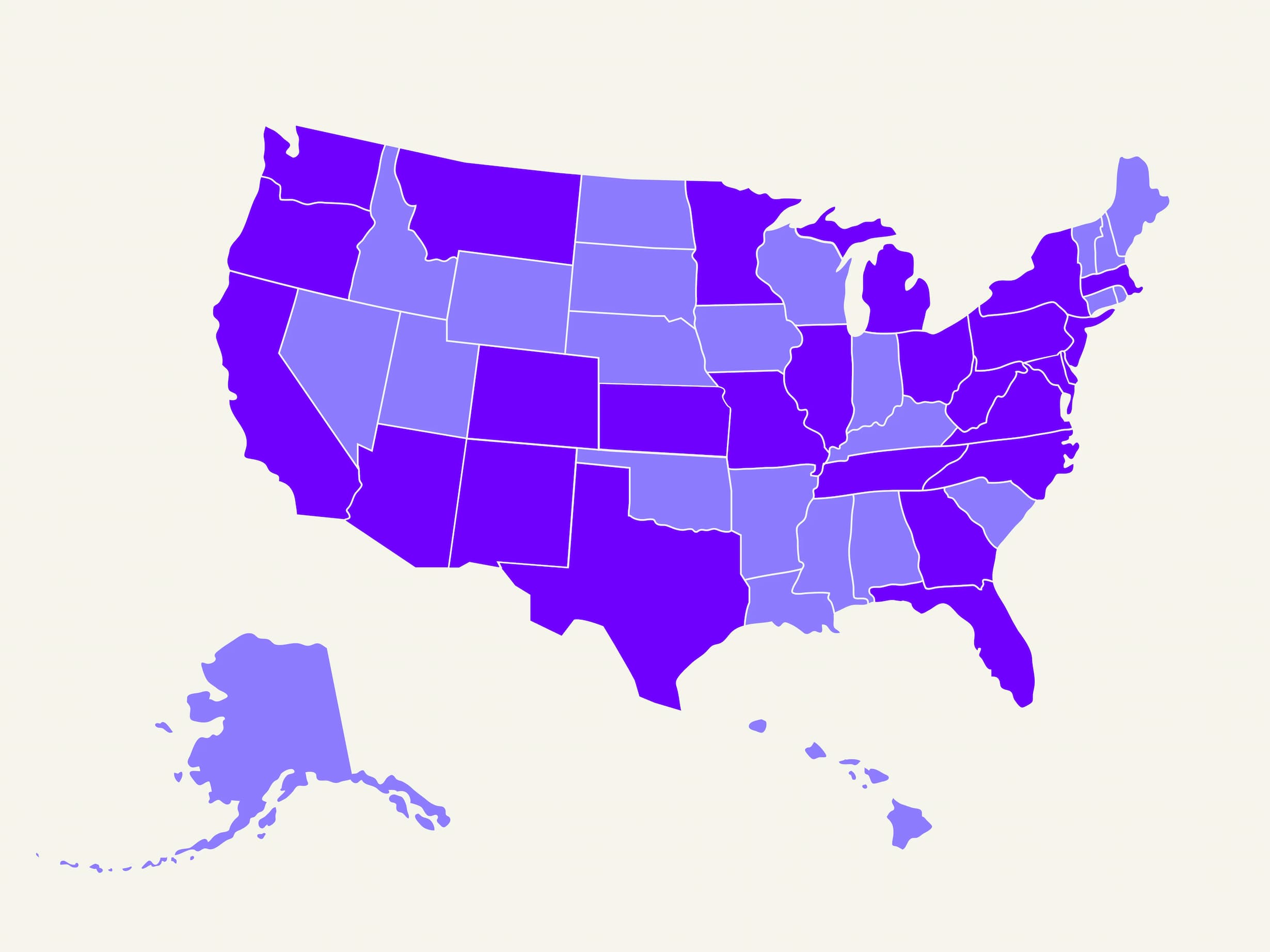

Find your nearest hearing center.
Reviews
Read what our clients say
4,9
108
My experience was fantastic, The specialist Joe was great, he explained the product and the maintenance, Showed me exactly how to operate my hearing aids. I am very happy and pleased, give that office a 10+.
AP
Andy Podbielski
May 08, 2023
Have been coming to this store for about 1 5 years and although the personnel has changed a couple of times it's my go to place for hearing aids. I've purchased 3 pairs of hearing aids here. The people are always friendly and helpful. Parking can be a bit of a problem depending on what time you go but I would recommend anyone who needs hearing aids to give them a try.
RN
Ruben I. Nav
May 06, 2023


Find your nearest hearing center.

Find your nearest hearing center.

Don't miss a beat
Sign up for our newsletter to stay informed and learn more about protecting and improving your hearing health.