
No one is too young for a hearing test!
Did you know that hearing can be tested as soon as six hours after birth? There are two ways to test a newborn's hearing: otoacoustic emissions (OAEs) and the auditory brainstem response (ABR).
Otoacoustic emissions (OAEs) measure the function of the structures in the organ of hearing that turn sound energy into nerve energy. If the test results are normal, then we can be confident that this part of the ear is functioning normally and that hearing is essentially normal. Research has shown that babies with normal hearing have measurable OAEs as soon as six hours after birth. The audiologist places a soft rubber ear tip into the baby's ear and presents a comfortably loud series of sounds. With most of today's screening OAE units, testing can be completed in as little as 15 or fewer seconds per ear.
The auditory brainstem response (ABR) can be used to estimate the sensitivity of the ear to sounds, in addition to assessing the integrity of the auditory nervous system. The lowest level required for various types of sounds to cause a nerve response can be measured, which can then be used to estimate hearing ability. Tiny electrodes are pasted and taped to the baby's scalp and soft foam or rubber eartips are inserted into the baby's ear canals. Varying levels of different types of sounds are presented and nerve responses are obtained and measured. Screening ABR testing has become so advanced that testing can often be completed in less than 30 minutes per ear while the infant is asleep.
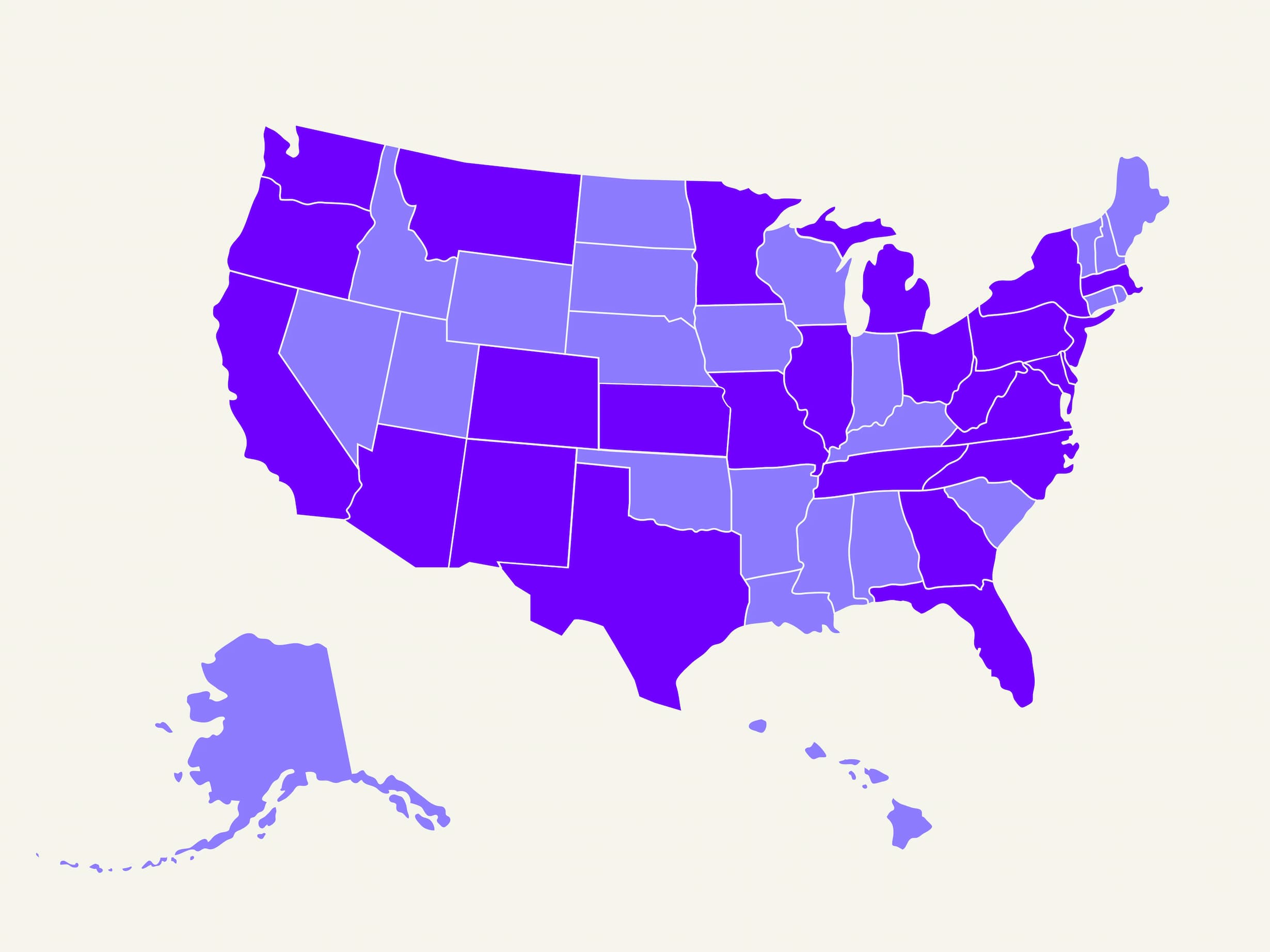
Current efforts are underway to require the screening of all newborn babies' hearing in many states around the country. About 6 out of every 1000 babies is born with a hearing loss; others may develop hearing loss after birth.
Babies learn
both to understand language and to talk through hearing from the very moment
they are born. Identifying and treating hearing loss before the age
of six months is the best way to assure normal speech and language development.
If you are concerned that your child may have a hearing loss, consult an
audiologist immediately.
|
|
|
|
|
|
|
|