
Tinnitus
The information here is not intended to replace professional advice or care.

Audiological Consultants of Atlanta logo

      Tinnitus("tinn'- nit - us" or "tin - night - us"), or ringing in the ears, is a common problem affecting about one out of every six people in the United States alone (44-50 million people).  About 10-12 million of these people experience tinnitus severe enough to cause them to seek medical attention.  Approximately two million of these tinnitus sufferers experience debilitating tinnitus that interferes with their living a normal life.

        Tinnitus can take many forms.  People describe it sometimes as a ringing, roaring, hissing, whistling, chirping or clicking sound.  It can be periodic or constant, and it can range in severity from subtle and easily ignored to severe and life-shattering.  It can affect people of all ages.

        Tinnitus can be caused by many events or mechanisms.  Ear problems such as excessive ear-wax buildup, a perforated eardrum and ear infections are potentially treatable causes of tinnitus.  Inner ear and nerve damage due to noise exposure and the normal aging process are generally considered non-treatable ear problems which may result in tinnitus.  Some ear disorders, such as inner ear infections and Meniere's disease (a disorder affecting both the hearing and balance senses) often respond well to medical treatment.

        Non-ear related causes of tinnitus include medications (such as aspirin, some sedatives and anti-depressants), certain antibiotics, physical disorders like high blood pressure, anemia, diabetes, thyroid problems, vascular (circulatory system) problems, and neck problems.  Jaw-joint (temporomandibular joint, or TMJ) problems can also result in tinnitus.

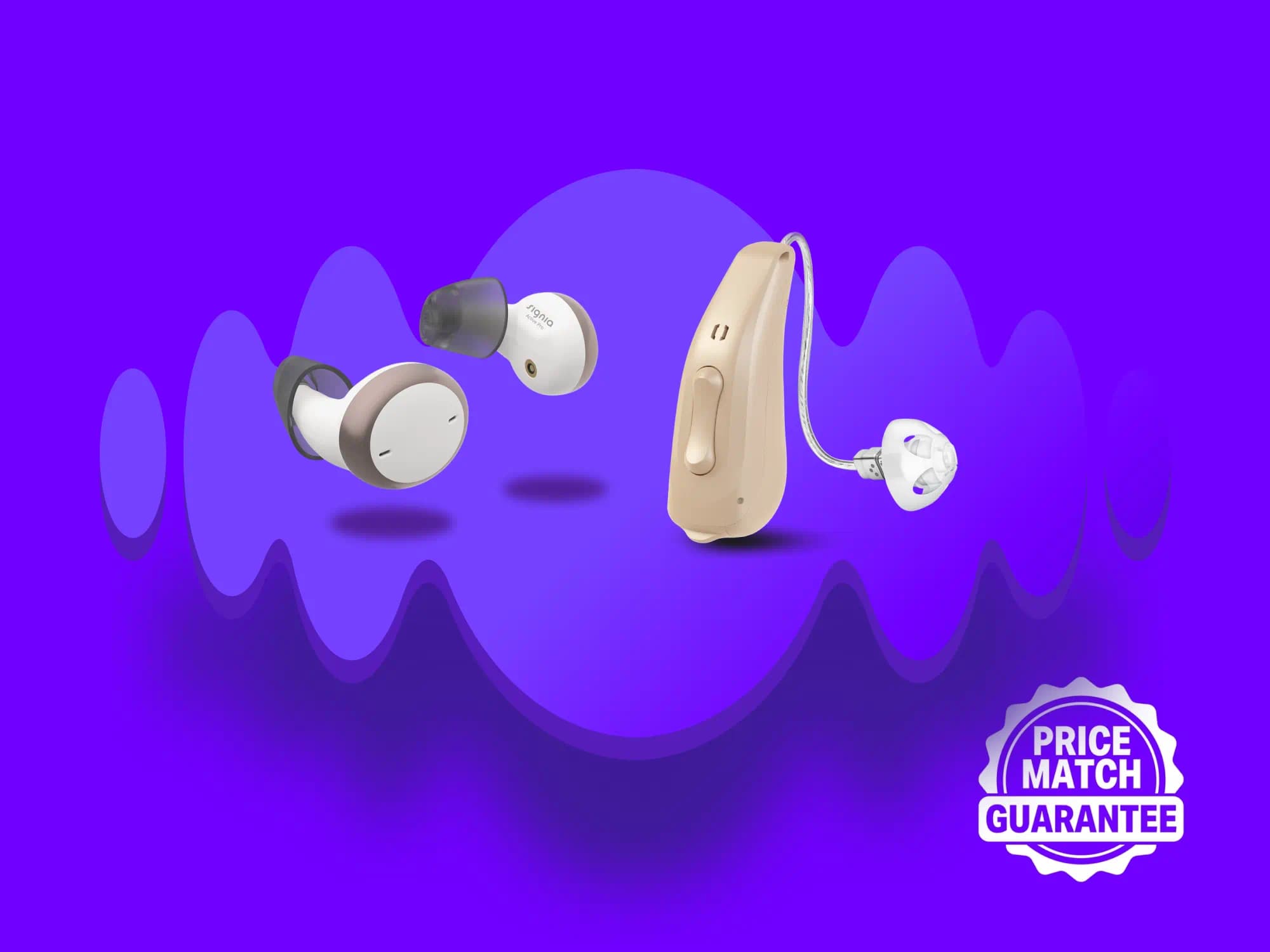
        Experience indicates that when there is hearing loss along with the tinnitus, use of hearing aids can provide substantial relief from tinnitus in many cases. Restoring the ability to hear environmental sounds by itself can reduce or block out the presence of the tinnitus.

        New research is suggesting that tinnitus, initially caused by an ear problem, often is sustained as an auditory problem in the brain. As a result, new types of therapy, such as Tinnitus Retraining Therapy (TRT), are focused on the brain.  TRT uses a combination of low-level, broad-band noise and intensive one-to-one counseling to achieve "habituation," such that the patient is no longer aware of the tinnitus, or such that the tinnitus is no longer perceived as annoying or bothersome.  Some studies have shown that TRT can be successful in up to 80% of cases.

        If you have tinnitus, seek the services of an audiologist for a complete Tinnitus Evaluation.  During a tinnitus evaluation, your audiologist will perform a complete hearing evaluation. Then, impedance measurements and otoacoustic emissions (OAEs) will be performed. Otoacoustic emissions evaluate the actual structures that turn sound into nerve energy.  Finally, extensive measures of the type, pitch and loudness of your tinnitus.  Measures of the type and loudness of noise required to cover up your tinnitus, and to hopefully "inhibit" it, will also be made.

       Tinnitus is common problem affecting millions of people.  For more information, we recommend you contact the American Tinnitus Association.  But see your audiologist, too-- there is help for tinnitus!


Want more information?

Click here for answers to commonly asked questions about tinnitus.

Click here for more information on noise-induced tinnitus.

Please use the BACK button on your browser to return. 
Home
About Us
Products
Links
Contact Info
New Technology
More Info